White Tenmoku Kinin Chawan
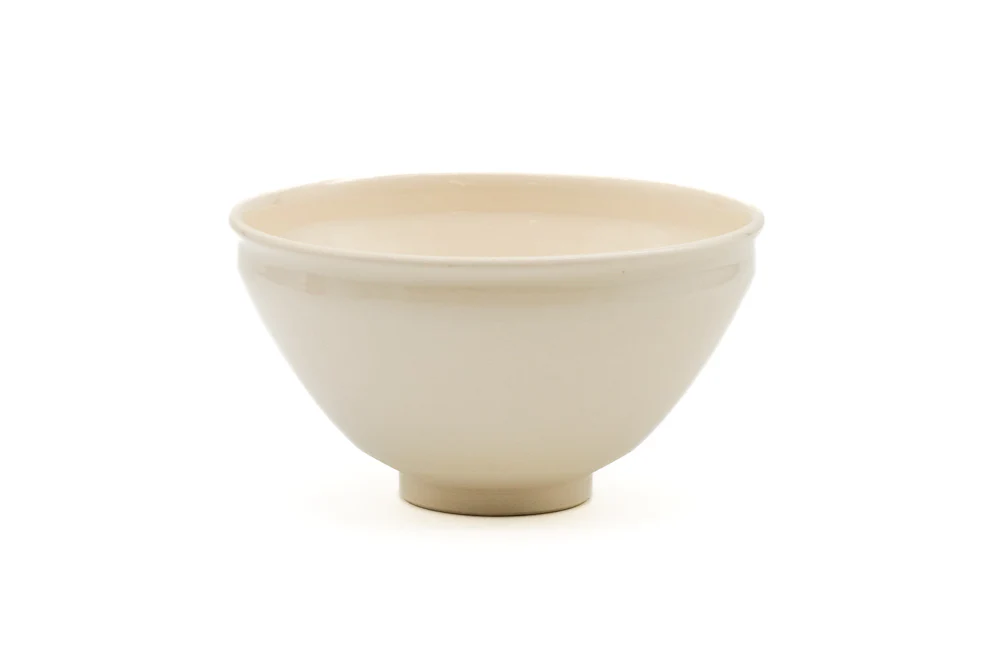
This tenmoku-gata Kyo-yaki chawan (matcha bowl) features a clean white glaze, recalling the famed Shiro Tenmoku bowl of the Muromachi period. These white tenmoku shaped chawan are also called Kinin-chawan (貴人茶碗) and are used by some tea ceremony schools for Kinin-date (貴人点) or the service of tea to nobles.
This chawan was made by Tanaka Kōsen (田中香泉).
The term 'tenmoku' (天目) can refer to two things: the shape of a bowl, i.e. conical with a finger groove and flare at the lip; and a dark high-iron glaze that can produce various beautiful effects under the right firing conditions. Both of these originated in Jian ware from Fujian during the Song dynasty (960-1279) in China, where the dark colour of the glaze was praised for the way it contrasts nicely with the froth of whisked tea.
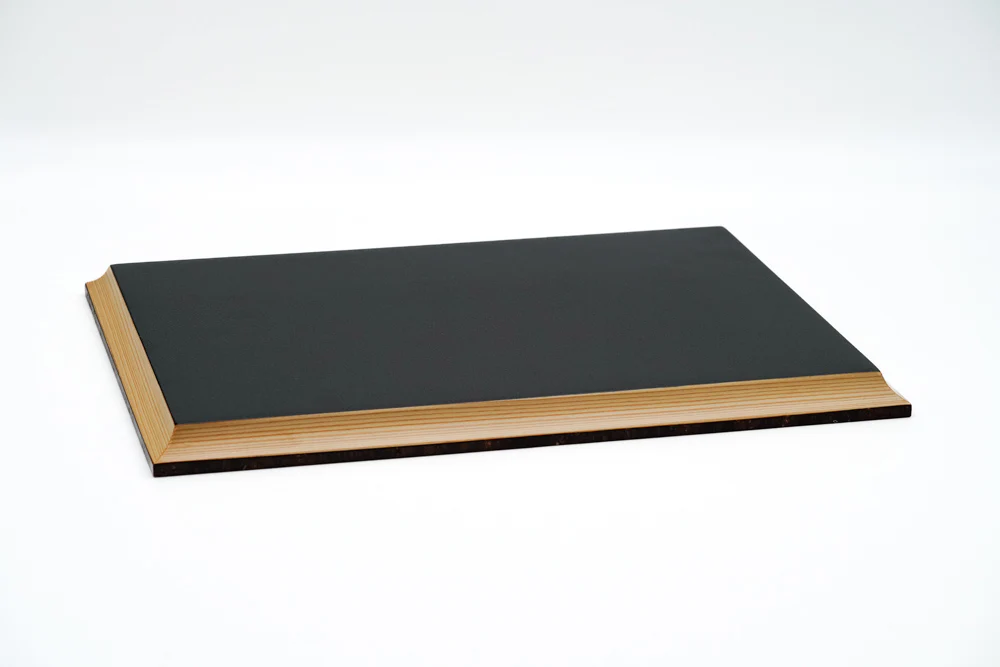
The original tenmoku chawan were brought from Song Dynasty China to Japan along with powdered tea culture in the 13-15th centuries. Today, they are the most formal of chawan and are used in the tea ceremony on top of lacquer stands when serving tea to VIPs and nobles or when making tea offerings to shrines or the Buddha.
This tenmoku-gata Kyo-yaki chawan (matcha bowl) features a clean white glaze, recalling the famed Shiro Tenmoku bowl of the Muromachi period. These white tenmoku shaped chawan are also called Kinin-chawan (貴人茶碗) and are used by some tea ceremony schools for Kinin-date (貴人点) or the service of tea to nobles.
This chawan was made by Tanaka Kōsen (田中香泉).
The term 'tenmoku' (天目) can refer to two things: the shape of a bowl, i.e. conical with a finger groove and flare at the lip; and a dark high-iron glaze that can produce various beautiful effects under the right firing conditions. Both of these originated in Jian ware from Fujian during the Song dynasty (960-1279) in China, where the dark colour of the glaze was praised for the way it contrasts nicely with the froth of whisked tea.
The original tenmoku chawan were brought from Song Dynasty China to Japan along with powdered tea culture in the 13-15th centuries. Today, they are the most formal of chawan and are used in the tea ceremony on top of lacquer stands when serving tea to VIPs and nobles or when making tea offerings to shrines or the Buddha.
Description
This tenmoku-gata Kyo-yaki chawan (matcha bowl) features a clean white glaze, recalling the famed Shiro Tenmoku bowl of the Muromachi period. These white tenmoku shaped chawan are also called Kinin-chawan (貴人茶碗) and are used by some tea ceremony schools for Kinin-date (貴人点) or the service of tea to nobles.
This chawan was made by Tanaka Kōsen (田中香泉).
The term 'tenmoku' (天目) can refer to two things: the shape of a bowl, i.e. conical with a finger groove and flare at the lip; and a dark high-iron glaze that can produce various beautiful effects under the right firing conditions. Both of these originated in Jian ware from Fujian during the Song dynasty (960-1279) in China, where the dark colour of the glaze was praised for the way it contrasts nicely with the froth of whisked tea.
The original tenmoku chawan were brought from Song Dynasty China to Japan along with powdered tea culture in the 13-15th centuries. Today, they are the most formal of chawan and are used in the tea ceremony on top of lacquer stands when serving tea to VIPs and nobles or when making tea offerings to shrines or the Buddha.